
High-Level Project Summary
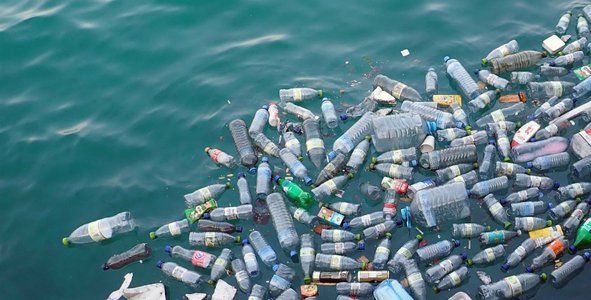
The Leveraging AI / ML for plastic marine debris project was developed to find out where ocean litter is found. Azure's cognitive services were used to identify the places with the highest concentration of garbage, as well as the Python programming language and the geomaps library to visually locate the places.
Link to Project "Demo"
Link to Final Project
Detailed Project Description
Using the "Debris Tracker" application, data plastics shared and registered in the last year was obtained. This information was transferred to "Shapefile" to make a better representation and handling of the data. Images were generated per month to build a database so that "AI" detects the behavior of the residues, subsequently, the "Flexpart" model is used to create a dispersion model of the data.
Space Agency Data
the data from the Debris Tracer application was used
Hackathon Journey
The hackathon was the most pleasant since each member of the team had different ideas but we all liked a particular project where we could all collaborate in an optimal way. The content provided by NASA was very useful and making use of them was a challenge because some of us did not know how to implement the knowledge we have to a real practice, we learned many new things about python and AI. Meeting colleagues with different ideas was incredible.
References
debris tracker
Python
Shapefile
Geomapas
Custom Vison
Tags
#art #SpaceAppSChallenge2021 #world #IA #Python # Vega #Innovaccion # maribe # LeveragingAI/MLorplasticmarinedebris #proyect
Global Judging
This project has been submitted for consideration during the Judging process.