
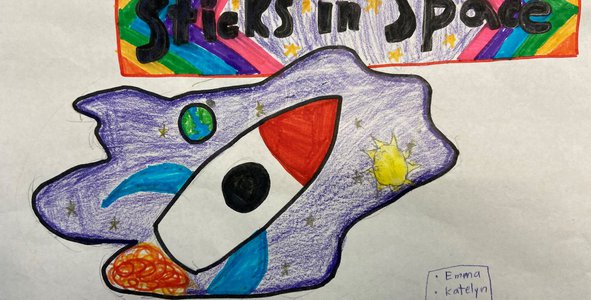
High-Level Project Summary
We created a concept of a mapping software that uses information from Celestrak and NASA Worldwind to show the space debris present in orbit. Since Celetrack only uses color coding to present the debris we decide to double code by using both color and symbol coding for those who are color blind or have vision problems. We also decided to focus on only showing a specific part of Earth's orbit based on the user location. This is important because in space travel you want a safe path free of debris and to avoid the Kessler syndrome which can cause a cascading collision of space debris.
Link to Project "Demo"
Link to Final Project
Detailed Project Description
We developed a concept of a software that would track space trash in real time in order to provide a safe path for space launches. Our project tracks space trash of different sizes and displays them in different colors and shapes. Our software also focuses on your location and only displays the debris in your path/location. It is also more user friendly since the debris are more distinguished compared to Celestrak because we added symbols and color for specific debris sizes. We want to utilize the navigation function of Google Maps in space travel, by calculating the objects in space and find a path free of space debris for space shuttles to travel. We hope to achieve a more effective and safe way to map space trash. We used Scratch and Scratch Jr. and data from Celestrak and NASAworldwind to create this concept of our app.


Space Agency Data
 We used Celestrak and Nasa world wind as an example in creating our project. Our software concept would utilize the data from both to track the space trash. NASA world wind would be used as the geo mapping system. while Celestrak would be used for debris tracking. While we were using Celestrak, we noticed that its user interface could be improved by having a more inclusive way to present the tracking system. We wanted to address the possible issue that people with color blindness or poor vision would encounter in using these tracking systems. Our version of a space tracking system that we made in Scratch aims to take this into account.
Hackathon Journey
This has been a very exciting opportunity to work closely with great minds and develop something meaningful and useful. We came to understand how space shuttles are launched, how much trash or debris we left in the space, and the importance of keeping a clean space.
We were first inspired by the Celestrak software, which provide a wholistic view of objects around our planet. However, we find it difficult to use since there is so many objects above our heads and it becomes more and more challenging for scientists to calculate a safe travel path for space shuttles. We want to optimize the system by adding shape coding instead of just color coding to distinguish objects in space by their sizes. We also want to track user's location and only display the objects from the user's location.
We want to also utilize some functions of the detection systems in the future to enable the space shuttle to sense on-coming objects and alert the scientists on earth or whoever has control over the space shuttle so we can avoid collision as much as possible.
We started with a critical view of the existing Celetrack software and try to find flaws from it. Then we tried to add on concepts and functions of other system like Google Map and NASA worldwind to improve our project.
One of the major setbacks we had is that we were unable to decide on the name of our project. We are grateful that Mr. Charles suggested that we can vote on it.

References
SCRATCH programming platform
Celestrak Satellite Mapping
NASA Worldwind Geospatial Mapping
NEOSSat Canada's Sentinel in the Sky
Tags
#Sattelite #Space #SpaceTrash #Orbit #KesslerSyndrome
Global Judging
This project has been submitted for consideration during the Judging process.