

High-Level Project Summary
The first part of our project was selecting a region that faces larger challenges due to environmental phenomena, which is true to the people living in the tana river county as they face many problems that increase the challenges they faceAfter selecting the region, we had to create a solution to fix some of the problems these people face, after researching the living conditions of those people, and the current political situation in Kenya, it was clear that the only way to fix these problems would be a development plan, this plan demonstrates how we can plant the “Melia tree” to for it to absorb the Co2 in the atmosphere, we included all the details for applying this plan in our project.
Link to Project "Demo"
Link to Final Project
Detailed Project Description
Our project is about Tana River Country problems. We aim to solve various problems such as poverty, lack of resources, unequal sharing of water, water pollution and climate change.
Our research paper includes the ways for water filtrations to solve water pollution and reduce heavy metals in water. We aim to use treated water to plant various numbers of trees to face climate changes impacts. This will support a better living for around 7 million people living in Tana River Country. We hope to achieve equal sharing of clean water resources and making Tana River Country zero carbon emissions. We did a lot of research via the internet to find main problems facing Tana River Country and its best solutions.
Space Agency Data
During our work in the project we used many different resources to help us understand the problems we are facing and find an appropriate solution for it, the resources included articles on different websites, such as Britannica or NASA’s applied sciences website, we also looked into different scientific papers and maps during our research, but the most important data to our project came from the different resources provided by NASA and the other space agencies partnered with them.
This website helped us understand some of the problems that our selected region is facing, since our project is focused on finding solutions for the environmental crises, we had to understand the water problems that these regions face as it is related directly to the environmental crises such as climate change, it also gave us an idea about the current state of agriculture in these areas and the problems that face people who work in this field.
This article is one of the most important resources that greatly helped us understand the reason behind this case being extremely important, it was the first place that we looked into and it gave us a good idea about many subjects such as:
· The problems related to climate change
· What is environmental injustice and the reasons behind it
By reading this short article we had developed and idea of the threats facing these communities, and how these threats will develop over time as our population increases and the climate changes.
3- https://ejscreen.epa.gov/mapper/ :
After understanding the main problem, we had to start searching for the locations we want to base our project in, in order to do that we needed detailed demographics for the areas we wanted to choose from, this is when we used this mapper tool to understand more about these locations and the people who live in them, which was a very important step as it helped us find the community that we believe will benefit the most from our project.
4- https://earthobservatory.nasa.gov/global-maps/MOD_LSTAD_M\ :
As for the previous one, this map also helped us during the selection stage, one of the most important factors was climate, and this map helped us see how much climate change has affected different parts of the world, by showing the difference between the most recent climate and temperature data and comparing it to the data from previous years.
5- https://climate.nasa.gov/effects/
https://climate.nasa.gov/evidence/ :
These were one of the resources we used in early staged in our project, these articles helped us understand more about climate change and its effect on the environment, now and in the future years.
Hackathon Journey
Our journey in NASA space apps was enjoyable and interesting, we gained many skills and experiences, but we also faced many challenges and difficulties as the whole team was participating for the first time in a competition like that, in the beginning, we thought that the challenge was arduous and might be impossible, but we appointed one of the team members as our organizer. He organized the tasks and the time, which made it easier for us to work on the challenge. We did our best and researched to solve the quandary of air and water pollution in Kenya, and we came to suitable solutions.
This competition has helped us learn about the quandaries of many countries and has enriched our culture in these countries. It has developed us in way of thinking. Now we think positively, logically, and think outside the box. We have learned good orchestrating, logical reasoning, positive mentally conceiving, teamwork, presentation skills, and many research and writing skills. It also developed our decision-making and leadership skills.
We chose this challenge because we know that one of the biggest problems facing our society is the environmental problems and lack of resources in many countries. These problems threaten the world in the future and become more dangerous over time. These problems include the increase of carbon dioxide in the atmosphere, water pollution, and air pollution. We chose Kenya as it suffers from many environmental problems and lack of resources, such as the problem of excess CO2, air and water pollution, and there is no interest in solving these problems in poor African countries.
We then started our work by researching the subject to get a general idea, then started the actual project by working on the region selection, by assigning tasks based on each member's skills and strengths, we were able to reach a result and had made the final decision for the region in a very short time, we then started working on the actual solution for their problems, we started by laying down different ideas that we had, and by comparing and analyzing these ideas, we were able to reach an agreement.
We then did deeper research on them until we had something we were satisfied with.
After that, all we needed to do was collect all the documents we had worked on in this journey and formatting it into a research paper that included everything we did.
We have encountered many problems while working on the challenge. Among these problems is the lack of organization in appointments and tasks, problems in culling dates for interviews, and some problems in making decisions. But we have saliently solved these quandaries and appointed one of the team members as our organizer whose role was to make decisions, organize time and organize tasks. The problems that we faced were the lack of information and resources, the lack of adequate details about the country (Kenya), its economy, and its demographic problems. We solved these problems by reading researches, utilizing different
Keyword's, and communicating with a resident of this country.
Our team is pleased to thank Karim Nabil (Local leader) at NASA space apps Ismailia. He helped us a lot and cleared up many misconceptions about the competition, submission, and details. He is one of the main reasons for our participation in this competition.
References
Ø general information about the area: -
( https://www.tanariver.go.ke/ )
Ø detailed mapping for the river and the area around it: -
( https://satellites.pro/Kenya_map#-0.044855,38.158813,8 )
Ø problems facing tana river area: -
Ø This website helped us understand some of the problems that our selected region is facing, since our project is focused on finding solutions for the environmental crises, we had to understand the water problems that these regions face as it is related directly to the environmental crises such as climate change, it also gave us an idea about the current state of agriculture in these areas and the problems that face people who work in this field.
Ø This article is one of the most important resources that greatly helped us understand the reason behind this case being extremely important, it was the first place that we looked into and it gave us a good idea about many subjects such as:
· The problems related to climate change
· What is environmental injustice and the reasons behind it
By reading this short article we had developed and idea of the threats facing these communities, and how these threats will develop over time as our population increases and the climate changes.
Ø After understanding the main problem, we had to start searching for the locations we want to base our project in, in order to do that we needed detailed demographics for the areas we wanted to choose from, this is when we used this mapper tool to understand more about these locations and the people who live in them, which was a very important step as it helped us find the community that we believe will benefit the most from our project.
( https://ejscreen.epa.gov/mapper/ )
Ø As for the previous one, this map also helped us during the selection stage, one of the most important factors was climate, and this map helped us see how much climate change has affected different parts of the world, by showing the difference between the most recent climate and temperature data and comparing it to the data from previous years.
( https://earthobservatory.nasa.gov/global-maps/MOD_LSTAD_M\ )
Ø These were one of the resources we used in early staged in our project, these articles helped us understand more about climate change and its effect on the environment, now and in the future years.
1- ( https://climate.nasa.gov/effects/ )
2- ( https://climate.nasa.gov/evidence/ )
Ø information in Kenya economy: -( https://www.worldbank.org/en/country/kenya/overview#1 )
Ø information of population in Kenya: -
( https://www.worldometers.info/world-population/kenya-population/ )
Ø carbon problem in Kenya: -
( https://ourworldindata.org/co2/country/kenya )
Ø trees: -
( https://www.gotreequotes.com/how-much-co2-do-trees-absorb/ )
Ø Water treatment:
1- ( https://meae.journals.ekb.eg/article_138262_58e471923da0fae9ca121fd3a011eb0c.pdf )
2- ( https://www.linkedin.com/pulse/considering-trees-offset-carbon-dioxide-lower-global-warming-jones/ )
3- ( https://learn.eartheasy.com/articles/10-carbon-storing-trees-and-how-to-plant-them/ )
4- ( https://www.youtube.com/watch?v=07SEwrmvdKU)
Ø Water problem and solution: -
1- ( https://www.sciencedirect.com/science/article/abs/pii/S0957582019316593 )
2- ( https://www.sciencedirect.com/science/article/abs/pii/S0045653519308616 )
3- ( https://www.gotreequotes.com/how-much-co2-do-trees-absorb/ )
4- ( https://www.linkedin.com/pulse/considering-trees-offset-carbon-dioxide-lower-global-warming-jones/ )
5- ( https://learn.eartheasy.com/articles/10-carbon-storing-trees-and-how-to-plant-them/ )
6- ( https://www.mtkenyatimes.com/best-fruits-to-grow-in-kenya/ )
9- ( https://www.farmlinkkenya.com/rice-farming-in-kenya/ )
10- ( https://victormatara.com/sugar-beet-farming-in-kenya/ )
Ø Heavy Metals: -
Ø Choosing region: -
1- (https://www.iucn.org/restoration-initiative/projects/kenya-arid-and-semi-arid-lands)
2- (https://donate.worldvision.org/give/kenya-water)
4- (https://www.prb.org/collections/data-sheets/)
Ø Kenya satellite pictures: -
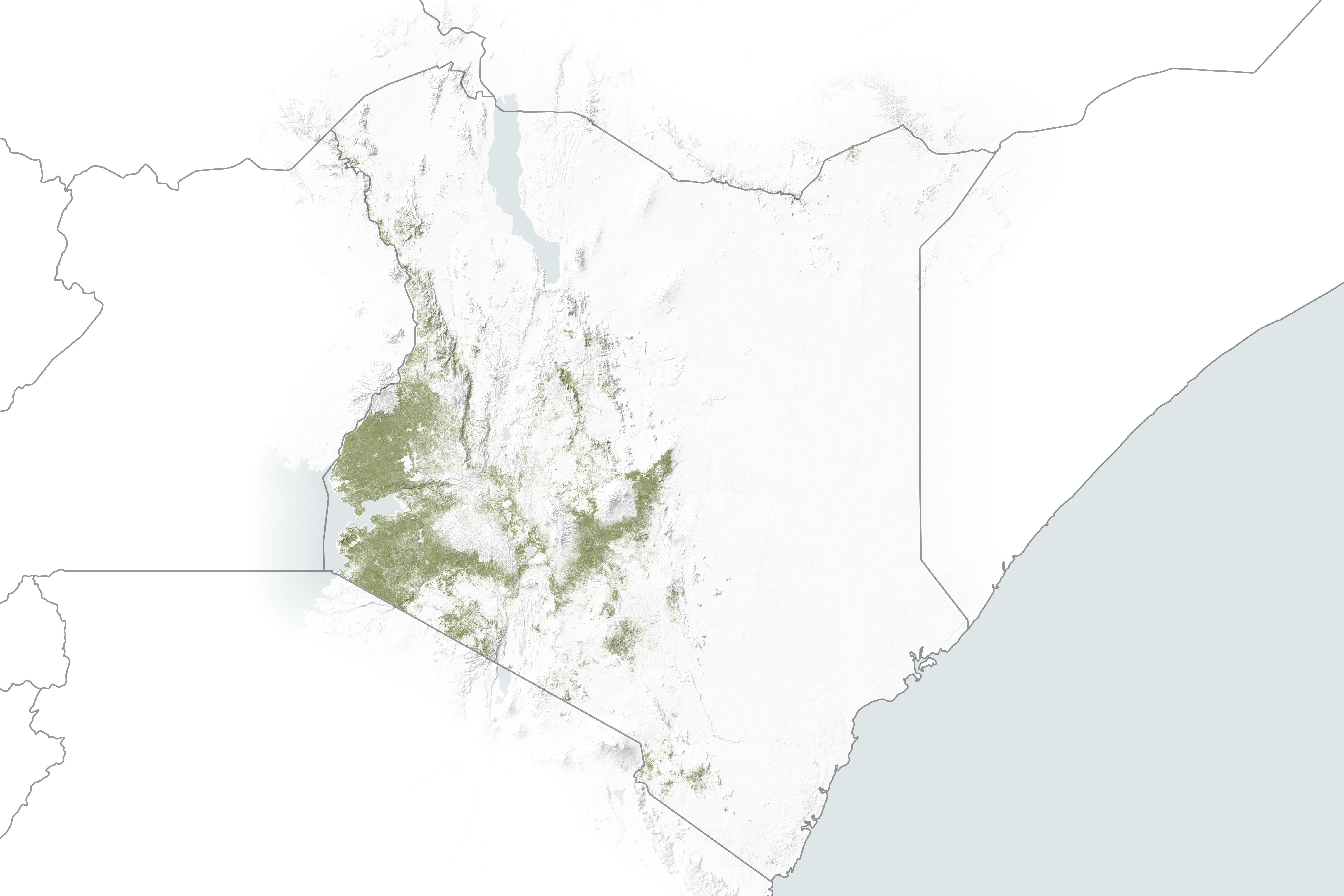
1- (https://earthobservatory.nasa.gov/images/147831/nasa-data-aid-food-security-assessments-in-kenya)
2- (https://earthobservatory.nasa.gov/global-maps/MOD_NDVI_M
3- (https://goleaddog.com/gis-data-products/satellite-maps/satellite-maps-index/kenya-satellite-maps/)
4- (https://eoimages.gsfc.nasa.gov/images/imagerecords/147000/147831/kenya_gis_2019_lrg.jpg)
Tags
#kenya #tana_river_county #waterpollution #airpollution #community #melia_tree #nature #africa
Global Judging
This project has been submitted for consideration during the Judging process.