
High-Level Project Summary
Even though millions of dollars are being spent on the solar missions, the majority of the people do not have any idea about those missions and their importance. To address the ignorance about the solar missions and find a way to raise public awareness of their importance, we chose this challenge to work on. Since nowadays, the most used apps and websites are all social media related, we decided to create a social media account for the sun. To make it interesting, we decided to run this account as if the sun was a human with a lot of friends and a little bit of sense of humor. We uploaded pictures and videos about the sun and the solar missions with comments that were funny yet informative.
Link to Project "Demo"
Link to Final Project
Detailed Project Description
Because of the pandemic, people were and still are locked inside their houses. During this period, social media became more important than ever. Since we couldn’t socialize in person, we used the internet to do it. So, we thought why not use it to raise awareness on solar missions. As we know, space missions cost more than millions and solar missions are no different. The findings on those missions are vital and affect everyone’s life. Therefore, the importance of this matter needs to be fully addressed and understood by every group of the society. We, as a team, thought through social media we could reach more people and create a fun yet educational environment.
To reach those objectives, we created a social media account for the sun. To make it more interesting we created the sun's character as funny, friendly yet loves to share information about itself. We tried to attract people from every age group. Therefore, we avoided using a complicated language and created posts that are amusing and informative. We tried to make use of interesting videos along with photographs taken from NASA and ESA’s databases.
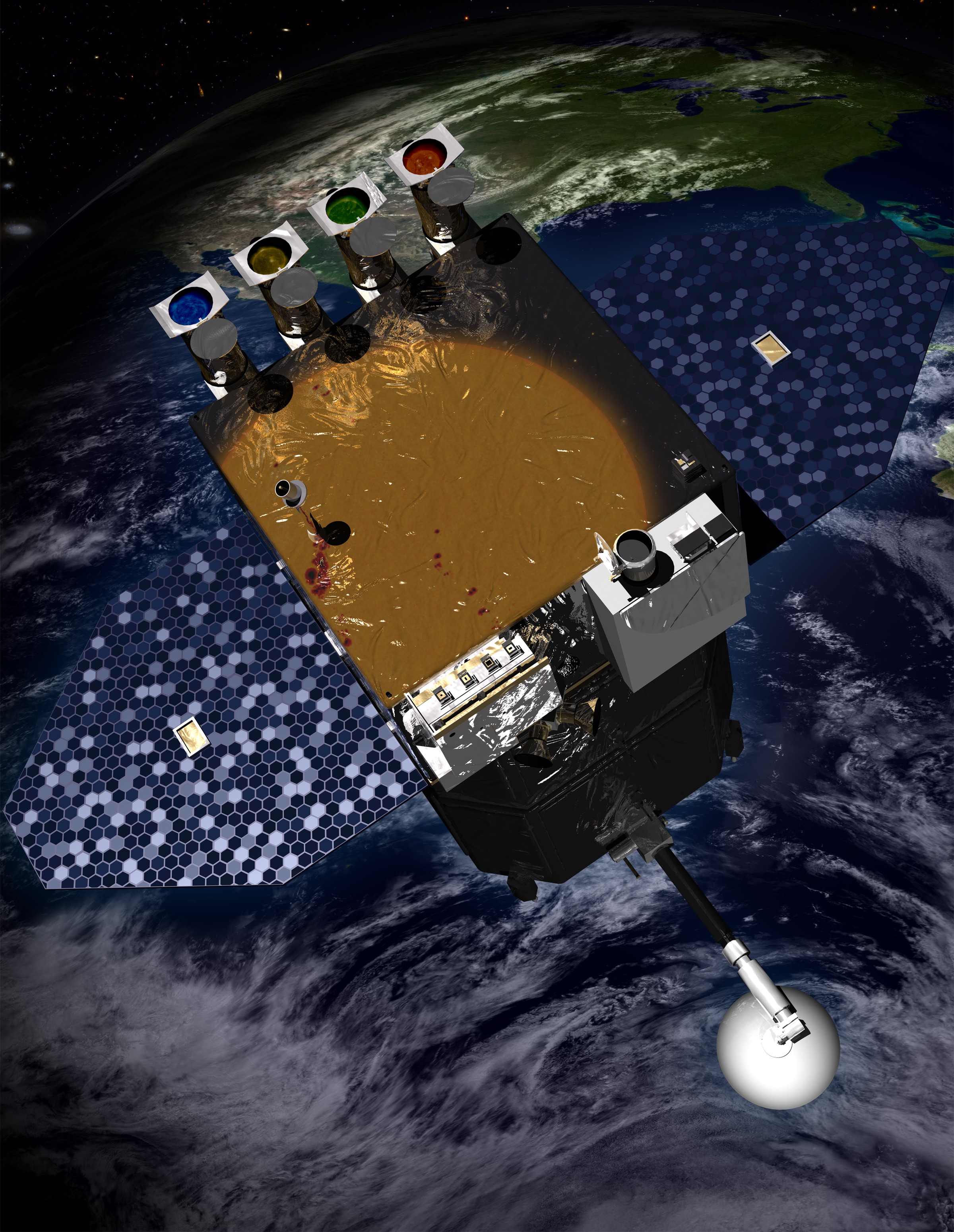


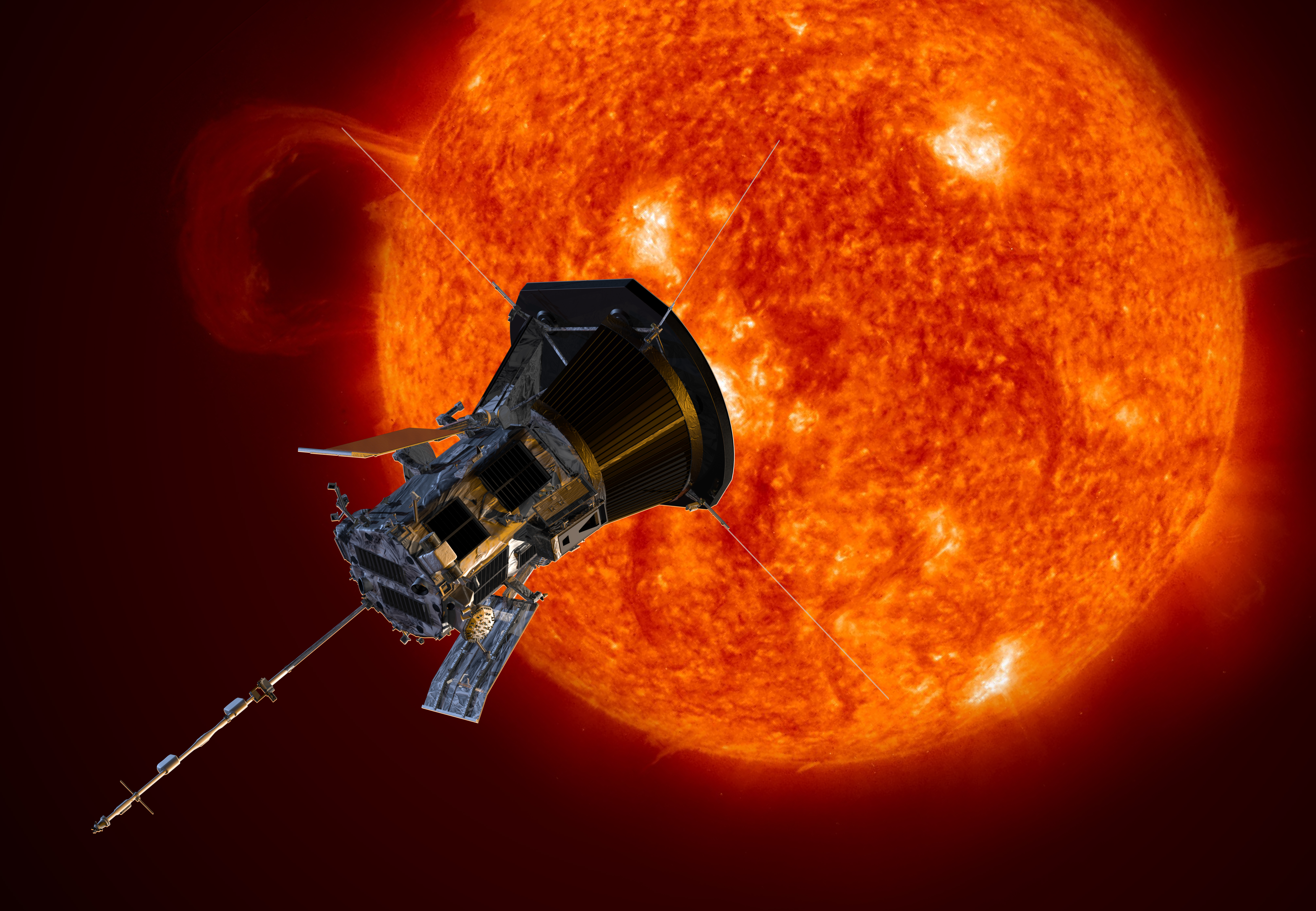
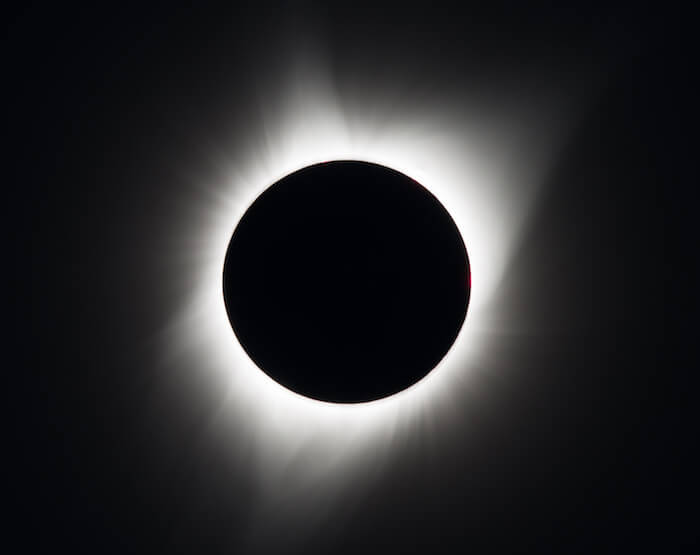
We introduced some of the solar mission spacecrafts and used photographs taken by those spacecrafts such as Solar Dynamic Observatory (SDO), Solar Orbiter, PROBA-2, STERO B (Solar Terrestrial Relations Observatory), Parker Solar Probe (PSP). We explained why the photographs have different colors and show different regions. Also, we tried to educate people on some phenomena related to the sun such as solar minimum/maximum, solar cycles, sunspots, campfires, corona and filament eruption. While doing it, we tried to sound fun and keep it as interesting as possible. To engage with people, we asked questions and expected our followers to answer those questions or ask us what is on their mind. Within 36 hours, users started to follow the account and ask questions in the comments already!
We only created an Instagram account due to limited time condition, but in the future, there might be more accounts created on different social media platforms for the Sun which was our original idea. Thus, we can reach more and more people all around the world and inform them about the importance of solar missions.
Space Agency Data
We used the data we obtained from NASA, ESA and JAXA’s websites. From NASA’s sources we made use of “Parker Solar Probe Science Gateway” site given in the resources part of the challenge to obtain images taken by it and information about its mission. We also used the site “Science @ NASA” given us in the resources section of the challenge to obtain information about NASA’s sun missions and the sun itself. From NASA’s website we searched for images of (and taken by) Solar Dynamics Observatory (SDO), Solar Orbiter, PROBA-2, STERO B (Solar Terrestrial Relations Observatory) too. We gathered information about all these sun missions from NASA’s sources. ESA’s and JAXA’s sources are also used to get images and information about some of these missions and spacecrafts.
We used all of these images to create interesting and informative posts on the account. It is a known fact that nowadays people’s attention span is very short due to intense exposure to social media. We wanted to use it for their favor. We aimed to stimulate people’s interest by making use of the colorful nature of the Sun’s photographs. Also, using the information gathered from all of these space agencies’ sources, we added short but educational captions.
Hackathon Journey
It was a very effective activity in the sense of team work. We chose this challenge to raise awareness about the Sun missions amongst people but on this journey, we also learned so much about the works of NASA, ESA, JAXA and their missions&spacecrafts about the Sun. The reason why we worked on this challenge especially is that the Sun does not get the attention it deserves. When it comes to space missions, people always think about the ones to Moon or the Mars. We want to change this understanding and make people realize that space missions, especially about the Sun, are very important for humankind and our future.
We made use of the most effective tool in our era: SOCIAL MEDIA. By using it we knew we could reach many people around the world in a short time. Especially after the covid pandemic, social media usage has risen rapidly and continues to be in use. This results in a lot of wrong information to spread on the internet. With official accounts of the Sun, this can be prevented.
We would like to thank NASA, ESA, JAXA and everyone involved in these missions.
References
All photographs:
https://www.esa.int/ESA_Multimedia/Videos/2020/07/Solar_Orbiter_sees_campfires_on_the_Sun
https://www.esa.int/ESA_Multimedia/Videos/2020/07/Solar_Orbiter_sees_campfires_on_the_Sun
https://www.esa.int/ESA_Multimedia/Images/2020/07/Solar_Orbiter_spots_campfires_on_the_Sun_annotated
https://solarsystem.nasa.gov/resources/970/parker-solar-probe-launch/?category=solar-system_sun
https://www.nasa.gov/sites/default/files/styles/full_width_feature/public/719590main_grid-sun_2.jpg

https://svs.gsfc.nasa.gov/vis/a020000/a020100/a020118/SDO-Poster-8X10-FINAL2.jpg
https://svs.gsfc.nasa.gov/13714
https://svs.gsfc.nasa.gov/4907
https://www.esa.int/ESA_Multimedia/Images/2020/07/Solar_Orbiter_s_first_view_of_the_Sun2

https://spaceplace.nasa.gov/solar-cycles/en/
Photopgraphs used in Instagram stories:
https://images.app.goo.gl/CNg4f34moxTKiEgC9
https://solarsystem.nasa.gov/resources/970/parker-solar-probe-launch/?category=solar-system_sun
https://svs.gsfc.nasa.gov/vis/a020000/a020100/a020118/SDO-Poster-8X10-FINAL2.jpg


https://www.nasa.gov/sites/default/files/images/521666main_soho-orig_full.jpg

https://www.nasa.gov/mission_pages/hinode/images.html
All videos:
https://svs.gsfc.nasa.gov/12656
https://spaceplace.nasa.gov/sun-corona/en/corona1.en.jpg
https://svs.gsfc.nasa.gov/20310
https://solarsystem.nasa.gov/system/video_items/153_11095_Magnificent_CME_iPad_540_MASTER_high.mp4
https://sppgway.jhuapl.edu/movies/psp_hgmag.mp4
All the information given on the account:
https://www.esa.int/ESA_Multimedia/Images/2020/07/Solar_Orbiter_spots_campfires_on_the_Sun_annotated
https://www.esa.int/ESA_Multimedia/Missions/Solar_Orbiter/(result_type)/images
https://www.esa.int/ESA_Multimedia/Images/2020/07/Solar_Orbiter_s_first_view_of_the_Sun
https://www.nasa.gov/content/solar-orbiter-overview
https://www.nasa.gov/content/goddard/parker-solar-probe-humanity-s-first-visit-to-a-star
https://spaceplace.nasa.gov/solar-cycles/en/
https://spaceplace.nasa.gov/menu/sun/
https://spaceplace.nasa.gov/sun-corona/en/
https://svs.gsfc.nasa.gov/20310
https://www.nasa.gov/mission_pages/sdo/how-sdo-sees-the-sun
https://www.nasa.gov/content/solar-orbiter-overview
http://parkersolarprobe.jhuapl.edu/Multimedia/Images.php
Information given in the Q&A stories:
http://parkersolarprobe.jhuapl.edu/The-Mission/index.php#Timeline
http://parkersolarprobe.jhuapl.edu/The-Mission/index.php#Timeline
Tags
#socialmedia #instagram #awareness #sun #science #spacecraft #NASA
Global Judging
This project has been submitted for consideration during the Judging process.