كل الطرق تؤدي ... بس إتلحلح و أدي!
 Ahmed Ehab Ali
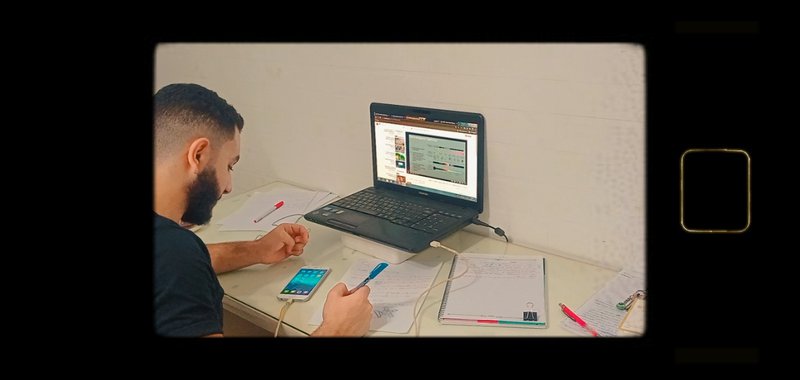
 Ahmed Ehab Ali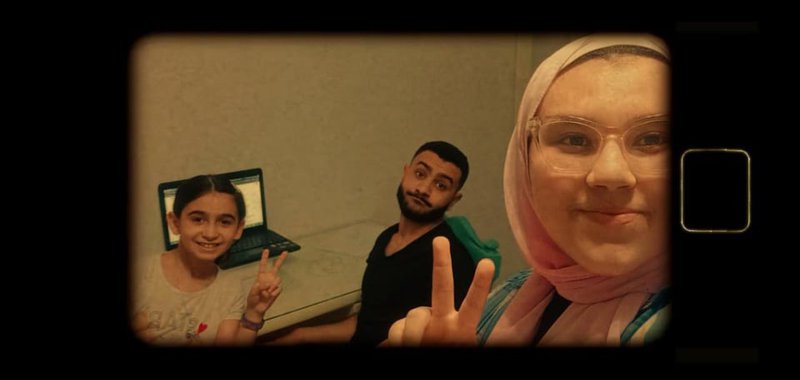
 Zahia Mohamed Mansoura
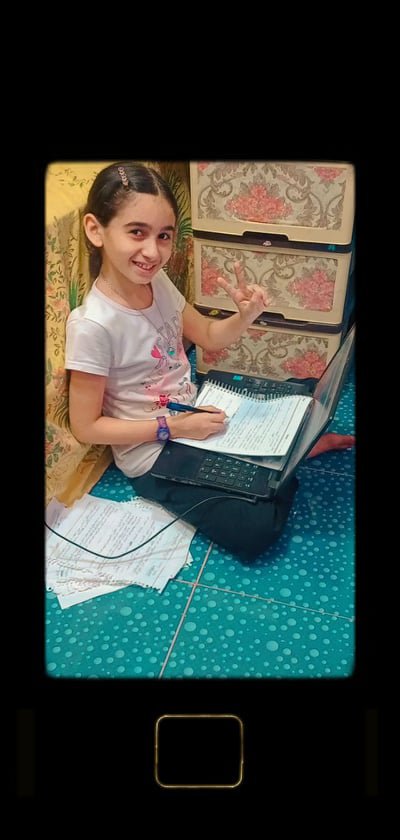 Zahia Mohamed Mansoura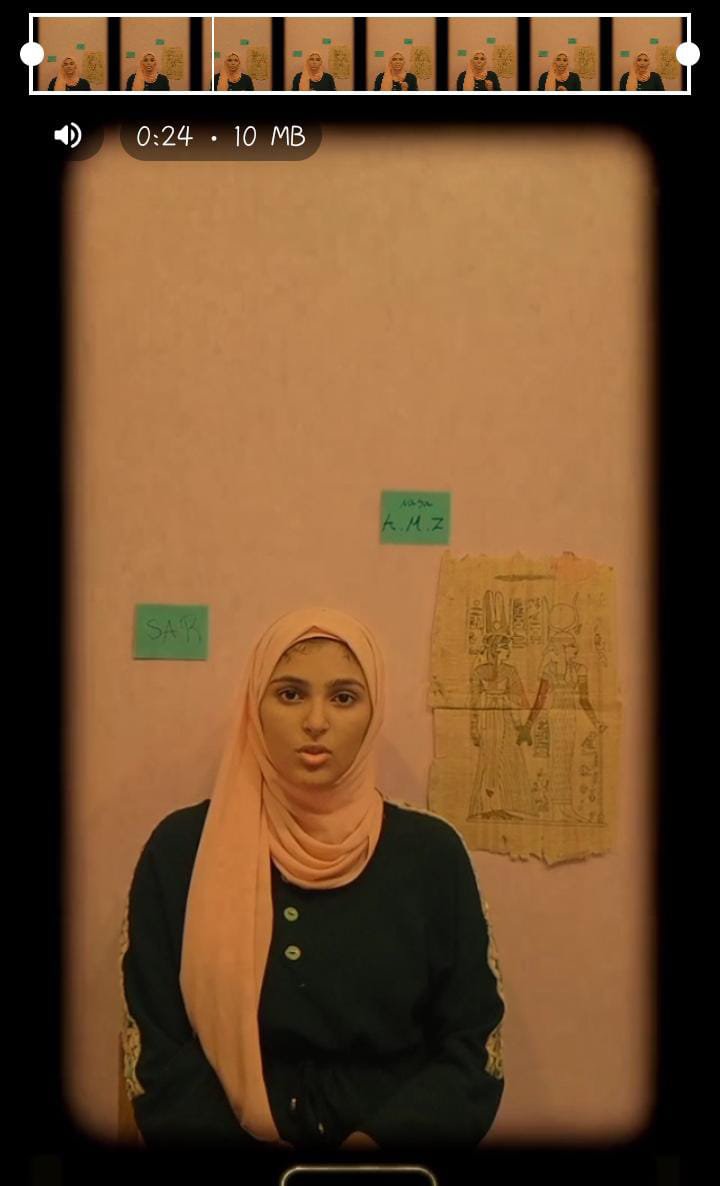
 Atheer Ismail Abdelrahman Othman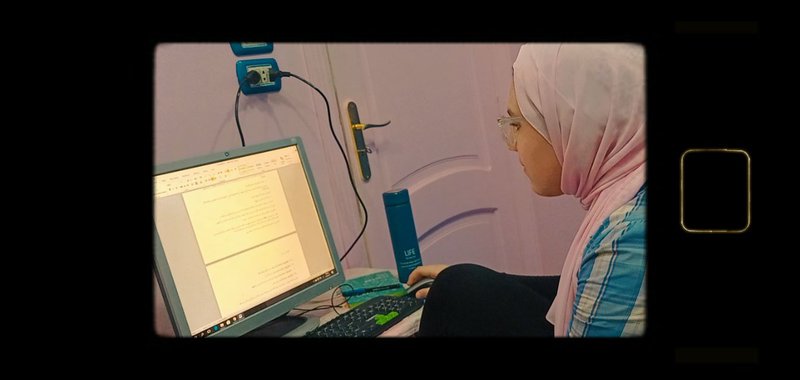
 Maryam Ehab
 Maryam Ehab
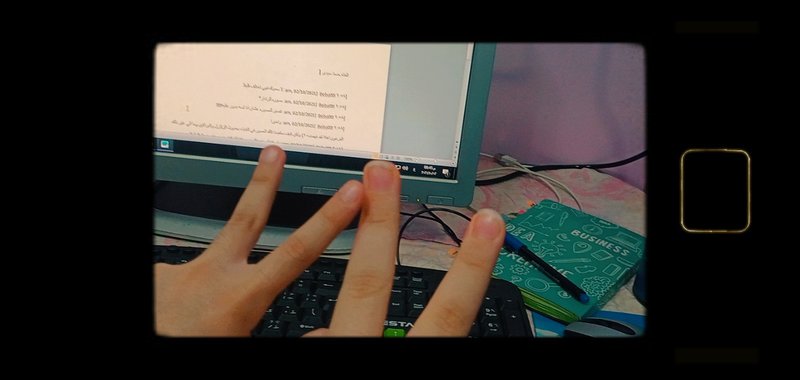
We finished the script yesterday, and now we are taking the Video
Zahia Mohamed MansouraHi.
We regret the delay and the lack of most of the Team connected. My team and I are working on the final parts of the project.
I'm gonna be here on the page and send the latest reports on our progress on the project.
Zahia Mohamed Mansoura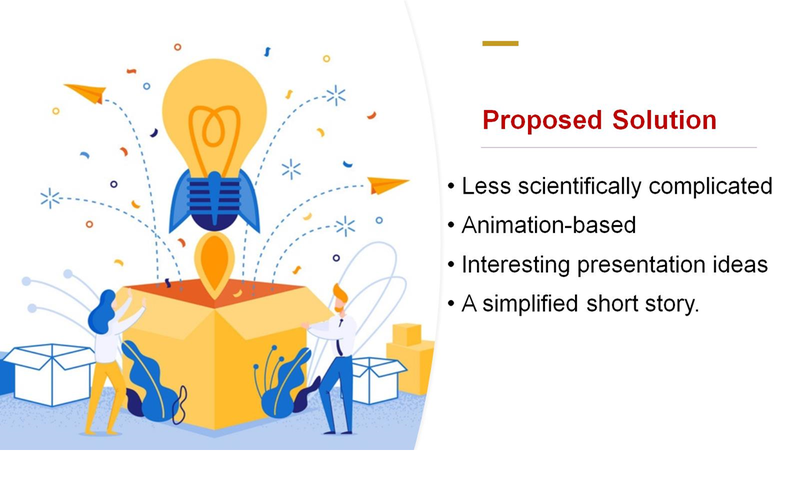 Zahia Mohamed Mansoura
 Zahia Mohamed MansouraZahia Mohamed Mansoura
NASA SPACE APPS Cairo 2021
What on Earth is SYNTHETIC APERTURE RADAR? Challenge Proposal
By Team AMZ.
Introduction
Several years ago, NASA built the Synthetic Aperture Radar (SAR). It is a radar that gives three-dimensional images, It helps detect changes that may occur to the Earth no matter how small it may be, The weather does not affect the image, and It works by sending waves of microwaves on the Earth's surface, receiving them and recording their reflections (the more signals are recorded, the more accurate the image is). So the information we get from SAR has a small error, and it's obvious. That means we can get a lot of information from SAR, So in this challenge, we seek to make a simple video that shows how the radar works and how to make use of the information recorded from it in the simplest way. To make all humans understand that information.
Solutions already tried
NASA has made numerous videos and articles about the SAR radar but this content is not easy and simplistic, it's difficult science, so not all segments of society were able to understand it. So we're trying to make a simple, easy video that shows how the radar works so everyone can understand it.
Methodology
By researching how to solve the project problem, our team followed the steps of scientific research those steps are:
· Identification of a research problem.
· Formulation of Hypothesis.
· Review of Related Literature.
· Preparation of Research Design.
· Actual experimentation.
· Results and Discussion.
In the first place, we identified the problem that we were going to work on. We read all the challenges, so we found a challenge, and we found it appropriate for us. And then we set up the hypotheses, and that is how we can present the content (are we going to present it via video animation, video or something else), how the audience will react to the video and what they will react to, the simplest way to explain the content, the best things to attract the audience to follow the video.
And then we reviewed all the attached information about the radar, after that we saw all the videos that were shown for the idea of how the radar worked and how it was used. And we started by analyzing that information and clarifying the strengths and weaknesses of those videos and how the presentation of content affects the number of video views. And what are the factors that make the viewer follow the video?
And now we are working on the best video design, and we are also working on an interesting content book that's easy to explain all the important information about the radar.
Participants
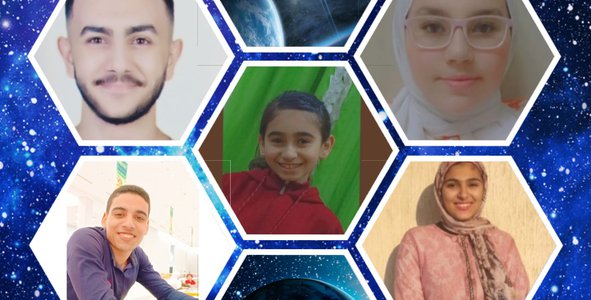
Ahmad Ehab, Team Management, Researcher, and Video Editor.
Atheer Ismail,Team Management, and Researcher.
Mustafa Reda, Researcher.
Maryam Ehab, Researcher and Graphic Designer.
Zahia Mohamed, Narrator, Researcher and Graphic Designer.
Zahia Mohamed Mansoura